
What You Must Do About Ant Problems in Oshawa Now?
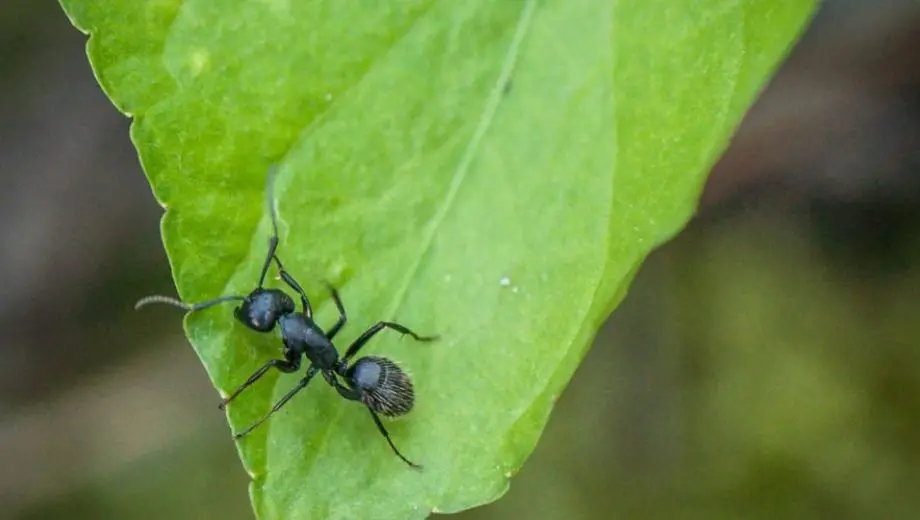
What You Must Do About Ant Problems in Oshawa Now?
Table of contents [Show]
- Why Ant Problems Are Common in Oshawa Homes
- Signs You Need an Ant Exterminator in Oshawa
- Why DIY Ant Control Often Fails
- How Professional Ant Exterminators Solve the Problem
- Ant Control Services in Whitby, Ajax, Pickering, and Scarborough
- How to Prevent Ant Infestations in Your Home
- Frequently Asked Questions About Ant Control
- Conclusion
You walk into the kitchen ready to cook dinner. The counter looks clean, the pan is heating, and everything feels normal (until you notice a thin, moving line on the surface). Tiny ants. Dozens of them.
You wipe them away, but the next morning they return again.
If you’re wondering whether you need an ant exterminator in Oshawa, you’re not alone. Many homeowners across Whitby, Ajax, Pickering, and Scarborough face the same frustrating problem every summer.
Ants may look small and harmless, but their colonies can grow fast. Without the right solution, the infestation can quietly expand inside walls, floors, and even your yard. Acting early is the best way to stop them before the problem becomes much worse.
Why Ant Problems Are Common in Oshawa Homes
Ant infestations often surprise homeowners because the insects seem to appear overnight. In reality, the colony has usually been growing nearby for weeks or months.
Seasonal Ant Activity in Ontario
Spring and summer create perfect conditions for ants. Warmer weather pushes colonies to search for food and water. Kitchens, basements, and bathrooms often become easy targets.
According to the University of California Integrated Pest Management Program, ants send out worker scouts to locate food sources. Once they find crumbs or sugary residue, they leave scent trails that guide the rest of the colony to the same spot.
This is why a few ants quickly turn into dozens.
How Ant Colonies Enter Homes
Most infestations start outside. Colonies build nests in soil, wood, or cracks in foundations. From there, worker ants search for food and eventually discover entry points such as:
- tiny foundation gaps
- door and window cracks
- utility pipe openings
- damaged weather stripping
Once ants find access, they create steady trails into the home.
Why Ant Nests Are Hard to Find
Many homeowners assume the nest must be in the kitchen. In reality, it could be far away.
Colonies may hide:
- under patios or driveways
- inside wall cavities
- beneath landscaping stones
- inside rotting wood structures
Because the nest stays hidden, surface cleaning alone rarely solves the problem.
Signs You Need an Ant Exterminator in Oshawa
Some infestations are small. Others signal a larger colony nearby. Knowing the difference is important.
Ant Trails in Kitchens and Pantries
The most obvious sign is a moving line of ants across countertops, floors, or cupboards. These trails lead back to the colony and usually follow the same path repeatedly.
Recurring Ant Infestations
If ants disappear after cleaning but return days later, the colony is still active. Worker ants are simply replacing those that were removed.
Carpenter Ant Warning Signs
Carpenter ants cause particular concern for homeowners. Unlike other species, they tunnel through wood to build nests.
Common indicators include:
- faint rustling sounds in walls
- small piles of wood dust
- larger black ants around windows or baseboards
According to entomologist Dr. Michael Rust, carpenter ants can expand colonies for years before the damage becomes visible.
Why DIY Ant Control Often Fails
Most people try sprays, traps, or natural remedies first. While these solutions may kill visible ants, they rarely eliminate the colony.
Surface Sprays Only Kill Worker Ants
Sprays kill the ants you see, but the queen and thousands of workers remain inside the nest. The colony quickly replaces those lost workers.
Hidden Colonies Continue Growing
Because nests are often outdoors or inside walls, DIY treatments rarely reach the source of the infestation.
Our pest control experts explain it simply:
“You may kill the ants you see, but the colony keeps producing more every day.”
Improper Bait Placement
Ant bait must be placed carefully. If positioned incorrectly, ants may ignore it or move their trail somewhere else in the home.
How Professional Ant Exterminators Solve the Problem
Professional pest control focuses on eliminating the entire colony instead of just the visible ants.
Professional Pest Inspection
The first step is identifying the species and locating the nest. Different ants require different treatment strategies.
Inspectors often check:
- foundation edges
- landscaping areas
- wall entry points
- kitchen and basement activity zones
Finding the nest dramatically increases the chances of long-term success.
Colony Elimination Treatment
Instead of spraying randomly, professionals use targeted bait systems designed to reach the colony. Worker ants carry the bait back to the nest, where it spreads through the population.
This approach eliminates:
- worker ants
- larvae
- the queen
Once the queen dies, the colony collapses.
Long-Term Prevention Plans
A reliable ant exterminator in Oshawa also focuses on preventing new infestations.
Prevention may include:
- sealing entry gaps
- treating outdoor nest zones
- applying barrier treatments around the home
These steps reduce the chance of ants returning next season.
Ant Control Services in Whitby, Ajax, Pickering, and Scarborough
Ant problems rarely stay confined to one city. Homes across Durham Region experience similar infestations during warmer months.
Professional pest services commonly support homeowners in:
- Whitby
- Ajax
- Pickering
- Scarborough
Each location has similar environmental conditions that attract ants, especially near wooded areas and older residential neighborhoods.
Because colonies often expand outdoors first, surrounding properties may also experience infestations around the same time.
How to Prevent Ant Infestations in Your Home
Although professional treatment removes colonies, prevention still plays a major role in keeping ants away.
Simple habits can make a big difference.
Keep Food Areas Clean
Crumbs, sugar spills, and uncovered food attract worker ants quickly.
Seal Potential Entry Points
Small cracks around doors and windows provide easy access for insects.
Store Pantry Food Properly
Airtight containers prevent ants from detecting food sources.
Manage Outdoor Nesting Spots
Wood piles, mulch beds, and damp soil areas can encourage colonies near the house.
According to the National Pest Management Association, removing food and moisture sources is one of the most effective long-term strategies for reducing pest activity.
Frequently Asked Questions About Ant Control
1. Why do ants keep coming back after cleaning?
Cleaning removes visible ants but doesn’t eliminate the nest. Worker ants simply return from the colony once new food sources are detected.
2. How do exterminators find ant nests?
Professionals track ant trails, inspect outdoor areas, and analyze activity patterns to identify where colonies are hiding.
3. Are professional ant treatments safe for pets?
Most modern pest control methods use controlled bait systems designed to target insects while minimizing risk to pets and people.
4. How long does ant extermination take?
Visible activity may decrease within days, but complete colony elimination often takes one to two weeks depending on the infestation size.
5. What ants are common in Oshawa homes?
Homeowners frequently encounter pavement ants, odorous house ants, and carpenter ants, each requiring different treatment approaches.
Conclusion
Ant infestations rarely disappear on their own. When colonies continue growing, the problem often spreads throughout kitchens, walls, and outdoor areas.
That’s why many homeowners eventually turn to a professional ant exterminator in Oshawa to eliminate the nest and stop the infestation at its source.
By combining expert inspection, targeted treatment, and prevention strategies, experienced pest specialists can restore peace of mind and help homeowners enjoy a clean, ant-free home again.